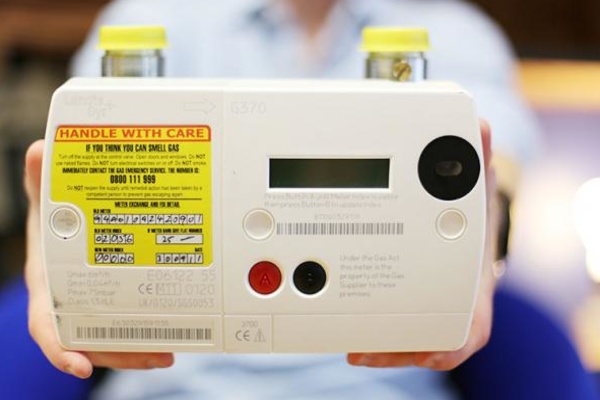
Smart meters are the next generation of gas and electricity meters and offer a range of intelligent ‘smart’ functions, much like your smartphone and smart TV.
They are being installed across Great Britain as a part of a national upgrade to our energy system.
Smart meters use a secure national communication network (called the DCC) to automatically and wirelessly send your actual energy usage to your supplier. This means households will no longer rely on estimated energy bills or have to provide their own regular readings.
Smart meters put people in control of their energy use by showing them how much energy they use in pounds and pence via an easy to understand In-Home Display.
With accurate information at their fingertips, consumers can easily understand how they can make small changes to the way they use energy in order to use less and save money on their bills. This information can help them choose a better tariff or switch supplier, increasing their savings even further.
Smart meters also communicate directly with your energy supplier meaning you will get accurate bills and only pay for what you use without the hassle of providing meter readings yourself or taking time out of your day to let the meter reader in.
Consumers with smart pre-payment meters will be able to top up directly online, through an app or at the local shop. No more keys or cards, making it much more convenient. The prepay in-home display will have an easy-to-understand screen that will show how much credit is left. So no more late-night dashes out to top up your energy balance.
Smart meters are the building blocks of a smarter energy system fit for the 21st century.
Over 11 million meters are already empowering consumers to reap the rewards of a smarter energy system – with 400,000 more meters benefitting homes and businesses every month. 8 out of 10 of those with a smart meter would recommend them to friends and family.
In the future, consumers will be able to choose for their new smart household gadgets and appliances to talk to their smart meter and help reduce their household bills. For example, your smart washing machine can automatically run at the cheapest time of the day, directed by information coming through your smart meter.
The government is committed to every home and small business being offered a smart meter by end 2020 – you can choose whether to have one or not. There are clear standards of conduct, overseen by energy regulator Ofgem, that require suppliers to treat consumers fairly and not mislead them when marketing the benefits of smart meters to their customers.
What are the benefits of smart meters?
- smart meters put consumers in control of their energy use, so they can save money on their bills – those savings will be worth more than £1.2 billion a year by 2030
- they provide easier, accurate billing and will help consumers choose the best deal for them
- no more estimated billing – something we only seem to tolerate in utilities – no more having to crawl under the stairs or to take time out of your day to provide manual readings to your supplier
- smart meters are set to be the cornerstone of the smart energy system of the future, potentially saving Great Britain up to £40 billion between now and 2050
What do energy consumers who already have smart meters think?
- 82% of people with smart meters say they have a better idea of their energy costs
- 8 out 10 people with smart meters say they would recommend them to friends or family
- 90% of people with a smart meter say they are satisfied with the installation process
- hundreds of thousands of energy consumers are choosing to have smart meters in their homes every month
Myths
Myth 1: Smart meters stop people from switching and lock them into one supplier
Fact: That is simply untrue. All consumers can switch whenever they want. In fact households with smart meters are more likely to switch than those who don’t have one, with 23% of people with smart meters switching in the last year, versus 17% without a smart meter.(1)
Myth 2: Smart meters don’t really help you save money
Fact: Not true. More than 80% of people with smart meters have taken steps to reduce their energy use and as a result, cut their bills.(2) It is estimated smart meters will take £300 million off consumer’s bills in 2020, rising to more than £1.2 billion per year by 2030 – an average annual saving of £47 per household.(3) 8 in 10 consumers with a smart meter would recommend one to family and friends.(4)
Myth 3: People are being forced to have smart meters installed
Fact: Not true. Those customers who want to benefit from having a smart meter can have one installed at no extra cost, but installing a smart meter is always the customer’s choice and people have the right to say no.
Myth 4: Suppliers are bullying consumers into having a smart meter installed
Fact: Ofgem has made it clear suppliers must treat customers fairly and their communications must be complete, accurate and not misleading. Ofgem will take up complaints with energy suppliers for customers who feel they are being bullied or coerced into getting a smart meter.
Myth 5: Smart meters can be hacked and are a safety hazard in the home
Fact: Smart meters are secure, with a security system developed by leading experts in industry and government including GCHQ’s National Cyber Security Centre.
Smart meter installations are also making British homes safer. In the past 18 months, over 430,000 safety issues were identified by smart meter installers, unrelated to the smart meter installation, as a result of free visual safety checks, helping to protect households across Great Britain.
Myth 6: Suppliers are installing ‘dumb’ meters that fail when you switch supplier
Fact: All smart meters offer the same smart functions to customers. Some first generation smart meters may lose some smart functionality if consumers switch but 93% of those installed remain unaffected. This issue is only temporary however and all smart meters will retain their full capabilities when they are enrolled into the national wireless smart meter network. This upgrade will begin by the end of 2018 and will happen automatically without the consumer needing to do anything.
Myth 7: Consumers with poor mobile signal can’t get a smart meter
Fact: By the end of the year more than 95% of households will have signal, rising to 99.25% by the end of 2020 – meaning that almost every household who wants one will be able to have a smart meter.
Myth 8: Suppliers aren’t making enough progress on the rollout of smart meters
Fact: Over 400,000 smart meters are being installed every month and 11 million are already operating across Great Britain. Ofgem holds suppliers to account to ensure they are meeting their obligations to roll out smart meters and can fine energy companies for missing targets.
Myth 9: Smart meters can turn off your fridge without you knowing
Fact: No they can’t. It will always be up to consumers to decide when to use their appliances. In the future smart meters will allow consumers to be rewarded when they use appliances at times when energy is cheaper.
Myth 10: Smart meters mean suppliers can charge higher prices without you knowing
Fact: Energy suppliers can only charge prices customers have agreed to – and that won’t change. Customers with smart meters can access tariffs that allow them to get cheaper prices at times when demand is low – but it will always be the customer’s choice.