
Category Archives: Energy News

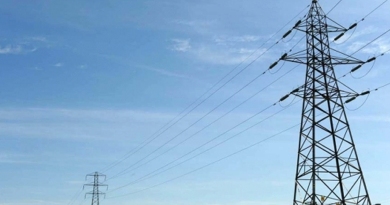
Cyient Selected by UK Power Networks to Develop an Outage Planning Portal

Cyient, a global provider of engineering, manufacturing, geospatial, networks, digital, and operations management solutions to global industry leaders, will execute a project for UK Power Networks, the UK’s largest electricity distribution network operator. As part of the innovation project, called “Network Vision”, Cyient will develop an online outage planning and tracking integration portal that will help optimize distributed energy generation performance and deliver cost savings of as much as £1 million per year.

Planning network downtime is a complex process that involves balancing competing factors, making it necessary to interrupt power supplies on parts of the electricity network so engineers can undertake maintenance, upgrades and other tasks safely.

Cyient’s solution development team is working in collaboration with UK Power Networks to design and build the outage planning and tracking portal from the ground up. This will allow UK Power Networks to automate current processes and streamline how upgrades and maintenance tasks are scheduled.

Network Vision will give local energy generators – including renewable generation – visibility of planned work so they have the option to coordinate their own maintenance at the same time as the electricity network’s maintenance operations, and so minimize downtime.

Reducing downtime helps maximise the potential of renewable energy to feed into local electricity networks and could enable an extra 1080 MWh of renewable generation per year, saving 344 tonnes of CO2 emissions. That’s the equivalent effect of planting 172,000 trees (a forest 2.5 times the size of the City of London) every year.

John Renard, President of Utilities and Geospatial, and President of EMEA, Cyient said, “We are excited to be working with UK Power Networks on this innovative and revolutionary project that will enable utilities to change the way they manage their networks.”

“UK Power Networks has listened to what its stakeholders in the distributed energy community have said and responded with this project as a direct solution to their requests. It will give customers the ability to harmonize their plans with the network and ensure greater efficiency on network capacity.”

Ian Cameron, head of innovation at UK Power Networks, said: “The rapid growth of renewable energy in recent years means that our customers are changing and want us to respond to the needs they highlighted at our Distributed Generation Forums. We’re excited to improve the service we offer them and to share our learnings so that all networks can also benefit.”

Defence Minister opens first military airbase to be powered by green energy

RAF Marham, the home of the UK’s F-35 multi role combat jets, is set to become the first military airbase to be powered by green electricity.

Defence Minister Tobias Ellwood made the announcement today during a visit to a Norfolk biogas plant, where he officially opened the new site that will provide energy to the airbase.

Electricity will be fuelled by fermented locally grown crops, providing 95% of RAF Marham’s energy needs and saving the MOD nearly £300,000 every year.

The facility, built by Future Biogas, will generate 4.5 MVA of electricity every day, which can power 350,000 LED bulbs. This project has been delivered by the Defence Infrastructure Organisation (DIO) with government and private sector colleagues.

Minister for Defence People & Veterans Tobias Ellwood MP said:

RAF Marham is leading the way as Britain’s first green military airbase. The biogas fuel is a truly green and sustainable solution, helping us tackle climate change, support the local economy and save taxpayer money.

I hope that this plant can act as a model and we can see more sustainable energy schemes rolled out across other military bases.

The process, known as Anaerobic Digestion, produces gas which is collected and used to power multiple generators that produce electricity and will reduce the Ministry of Defence’s carbon emissions by 14,000 tonnes of CO2 annually. The waste residue from this process can then be dried and used as fertiliser to help grow local crops.

The plans have been in development since February 2015 and DIO, the part of the MOD which manages the Defence Estate, has been hard at work with colleagues in Crown Commercial Service (CCS), Future Biogas and energy company EDF to develop an electricity supply that is green and sustainable as well as providing financial savings.

Sam Ulyatt, Crown Commercial Services, Buildings Strategic Commercial Director, said:

This is an excellent example of how CCS can work with forward-thinking public sector partners like DIO, and suppliers like EDF and Future Biogas, to source power supply solutions for the Royal Air Force which provide resilience and strong green credentials, while boosting the local economy and providing energy security for the UK.

Philipp Lukas, Future Biogas Managing Director, said:

It’s fantastic to see the UK military join the green revolution. If we are to combat the imminent global threat of climate change, everyone, from all walks of life, needs to transition to renewable, sustainable energy as quickly as possible.

The AD plant in Swaffham now powers a significant local institution. In doing so, it not only helps secure the energy supply of a strategic national asset, but also takes the pressure off the local electrical infrastructure, which has been really struggling to keep up with growing regional demand.

A feasibility assessment was undertaken by DIO to determine what benefits could be derived from this supply of clean energy. As well as saving money and reducing carbon emissions, it was determined that the new plant would increase power resiliency at RAF Marham by providing multiple pathways to electrical resources.

The project was sourced through frameworks put in place by the Crown Commercial Service, which helps the entire public sector to save time and money when buying common goods and services. CCS continues to work with the RAF on demand management and renewable energy.

Loyal Energy Customers To Pay Fair Price From Now

Around 11 million households who have stayed loyal to energy suppliers on poor value energy tariffs will pay a fair price from today (1 January 2019) thanks to the government’s price cap.

The cap will bring down the amount consumers have been overpaying to energy companies, including the Big Six, by £1 billion a year, starting this winter when households are typically using more energy to heat and light their homes. It will remain in place until at least 2020, while energy suppliers and industry continue to work with the energy regulator Ofgem and the government to build an energy market that works better for all consumers.

Prime Minister Theresa May said:

Our energy price cap will cut bills for millions of families and people across the UK who have been ripped off by energy companies for far too long. From today, money will go straight back into the pockets of loyal consumers, including the elderly and those on lower incomes who feel the pinch more acutely.

But work to tackle this issue doesn’t stop there. We’re working with regulators and industry to ensure that consumers are not unfairly overcharged in the future – whether on their phone bills or their insurance premiums.

Energy and Clean Growth Minister Claire Perry said:

Today marks the end of unjustified price rises on energy bills as this government delivers on time on its promise to protect millions of households from poor value deals, especially the vulnerable.

For too long, suppliers have failed to pass on any savings to their customers, who deserve to pay a fair price for their gas and electricity. Switching supplier is still the best way to find a better deal, but that doesn’t mean customers should be punished for their loyalty.

Bill payers can now be confident that any change to the price cap will be a fair representation of the actual costs of energy, rather than suppliers passing on inefficiencies to their customers or as excess profits.

Following a consultation, Ofgem set the price cap level at £1,137 per year for a typical dual fuel customer paying by direct debit. The amount customers will pay depends on how much energy they actually use, as the price cap sets a limit on how much suppliers can charge per unit of gas and electricity not on overall energy bills.

The cap will also protect around one million households who receive the Warm Home Discount currently protected by Ofgem’s safeguard tariff. Ofgem already caps energy prices through its safeguard tariff for 4 million households on pre-payment meters.

Ofgem will review the level of the cap every 6 months taking into account any changes to the actual costs of providing gas and electricity to energy customers. The first review will take place in early February coming into effect on 1 April 2019.

Dermot Nolan, chief executive at Ofgem, said:

Under the cap, Ofgem will protect consumers from being overcharged and ensure they pay a fair price to heat and light their homes. Consumers can have confidence that any rise in prices in the future will only be down to genuine increases in energy costs rather than supplier profiteering while falls in energy costs will always be passed on to them.

Households who are protected by the cap will be able to save even more money by shopping around for a better deal. In the meantime Ofgem will continue with reforms which aim to deliver a smarter, more competitive energy market which, combined with protection for those who need it, works for all consumers.

The Domestic Gas and Electricity Act, which passed Parliamentary scrutiny and became law on 19 July 2018, put in place a requirement on Ofgem to cap standard variable and default energy tariffs after the Competition and Markets Authority (CMA) found consumers had been overpaying the Big Six an average of £1.4 billion a year.

While the temporary cap is in place, energy suppliers and industry will continue to work with Ofgem and government to build an energy market that works better for all consumers, ensuring they get the best service for a fair price so that everyone reaps the benefits of the move to a smarter, more digital economy.

Other measures designed to deliver the government’s objective of clean, affordable and innovative energy, while tackling fuel poverty, as part of our modern Industrial Strategy include:

  • the rollout of smart meters
  • initiatives to promote smarter and faster switching
  • a joint review with Ofgem on the future of the retail market


Energy Systems Of The Future – Local Communities To Benefit Sooner

Just under £10 million Industrial Strategy Challenge Fund investment will support even more people to get value from smart local energy systems.

A new research consortium and funding for business-led innovation projects will speed up the uptake of smart energy systems by local communities to start benefiting from cleaner, cheaper and more consumer-friendly energy.

Funding is by UK Research and Innovation through the Industrial Strategy Challenge Fund for clean energy – a £102.5 million investment in UK industry and research to develop systems that support the global move to renewables.

Rolled out by 2020s

Twelve projects from all across the UK will share £1.5 million to design ground-breaking, local, smart energy systems that are ready for roll out in the 2020s.

They will quickly bring forward energy systems with improved efficiency and productivity, at lower costs, in order to reduce energy bills for consumers and create better user experiences.

Ultimately this should help improve air quality in line with the government’s fifth carbon budget, at the same time as building the UK’s energy supply chain, creating high value jobs and export opportunities.

Projects include:

  • creating an energy marketplace and local trading platform between the predominantly commercial premises in London South Bank and Waterloo, using IoT sensors, predictive algorithms and storage systems
  • maximising existing and planned renewable generation assets in Bridgend, including solar farms and a nearby energy park, to develop a local electricity flexibility market, an electric vehicle charging network and improved service offerings for transport and heat
  • making use of an established energy innovation district group and new digital technologies, such as sensing and control devices, data analytics and artificial intelligence, the Cheshire Energy Hub will better manage energy use by industrial users, decarbonise and lower costs

Developing novel research concepts

To bring forward novel research in local energy systems and accelerate uptake, value and impact, £8 million will go to setting up EnergyREV, an energy revolution research consortium.

The consortium will be led by the University of Strathclyde and include 29 investigators across 22 universities, working to ensure that UK academic expertise delivers impact and a competitive advantage.

It will work closely with the Energy Systems Catapult to provide analysis, evaluation and assessment of the projects funded under the prospering from the energy revolution challenge.

Additionally, EnergyREV will deliver its own strategic research projects that address some of the industrial challenges in developing local, investable, consumer-centred energy approaches.

Improving uptake, value and impact

Professor Stephen McArthur, Deputy Associate Principal for Research, Knowledge Exchange and Innovation, at the University of Strathclyde said:

EnergyREV is excited about its role in supporting innovation in the prospering from the energy revolution programme.

The world-class knowledge, research teams and interdisciplinary expertise available through our university partnership will improve the uptake, value and impact of smart local energy systems.

We are focused on using our novel research to accelerate and help deliver the Industrial Strategy goals and enhance UK competitiveness.

Rob Saunders, Deputy Challenge Director, Prospering from the Energy Revolution, UK Research and Innovation said:

This is an exciting time for energy innovations.

We all rely on energy and we all need it to be cleaner and more cheaper, both as consumers and as a nation. New technologies point towards a new energy future, one of lower carbon and more efficient energy supply, distribution and storage, giving consumers more control.

This energy revolution – a crucial part of the Industrial Strategy – has the potential to unlock investment and create high-quality jobs and grow companies capable of exporting.


Swansea Receives £36 Million UK Government Funding For Its Clean Energy Tech Breakthrough

The Chancellor, Philip Hammond, is announcing new £36 million UK government funding for clean energy innovation in the construction sector.

  • The Chancellor, Philip Hammond, is announcing new £36 million UK government funding for clean energy innovation in the construction sector through the Industrial Strategy Challenge Fund.
  • The funding will go to a consortium led by Swansea University, which develops new building materials and coatings which generate electricity from light and heat.
  • This energy can be used to power homes, hospitals and schools, or be sold back to the national grid.

More than £36 million of UK government funding will be provided to Swansea to support cutting-edge building materials which generate electricity, the Chancellor has announced during a visit to Wales.

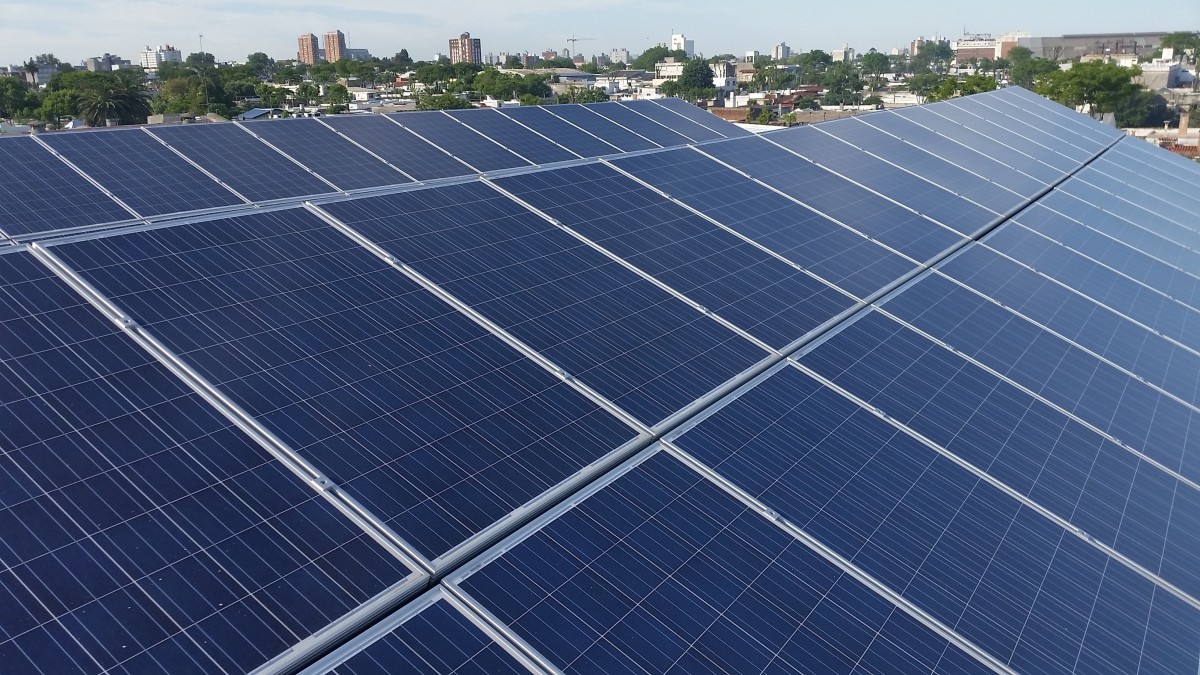
The green technology uses light and heat to make energy, and has the potential to power homes, workplaces, schools and hospitals. These materials could replace conventional walls, roofs and windows, generating electricity which is stored and released by a smart operating system. Excess electricity could also be sold back to the national grid.

Today’s announcement supports the government’s mission to at least halve the energy use of new buildings by 2030: making buildings more energy efficient by embracing smart technologies will cut household energy bills, reduce the demand for energy, and boost the UK’s economic growth whilst meeting targets for carbon reduction.

On a visit to Swansea University, Chancellor of the Exchequer, Philip Hammond, said:

Swansea University and the innovative companies working with it are world-leaders in clean energy. The UK government is backing the industries of the future that will deliver jobs and opportunities across Wales. This £36 million new funding will support exciting green technology that could cut energy bills, reduce carbon emissions and create better homes and workspaces.

The funding, through the ‘Transforming Construction’ challenge of the government’s Industrial Strategy, will develop supply chains in the UK and give certainty to leading researchers and students, helping attract more investment and jobs to the local area.

Secretary of State for Business, Energy and Industrial Strategy, Greg Clark said:

This centre has the potential to transform how buildings use energy, turning them from energy consumers into power stations. This £36 million investment in clean energy innovation shows the UK continues to lead the way in cutting emissions while growing our economy.

We are putting our world-leading science and innovation sector at the heart of our modern Industrial Strategy, and have set the ambitious target for investment in research and development to reach 2.4% of GDP by 2027.

Secretary of State for Wales, Alun Cairns, said:

The UK government is committed to leading the world in delivering clean energy technology and this additional investment at Swansea University shows that we are prepared to support innovation in this critical area.

The cutting-edge research being developed at this institution is being translated into practical inventions and techniques that can improve our lives. It truly is science with a purpose.

Today’s funding announcement, on top of the £68 million commitment to Swansea University since 2010, will ensure that Wales and one of its most forward- thinking universities will play a key role in keeping the UK at the vanguard of innovation for years to come.

This new funding is part of the biggest increase in research and development (R&D) investment for 40 years, supporting high-value jobs in emerging industries. Since Autumn 2016, the government has invested an additional £7 billion in R&D – demonstrating clear progress towards the ambition to raise investment in R&D across the entire UK economy to 2.4% of GDP by 2027.

UK Research and Innovation (UKRI) is delivering the funding for the new Centre. UKRI Chief Executive Professor Sir Mark Walport said:

As we move towards a low-carbon economy, we need to explore more efficient ways of generating, conserving and using power and energy.

Active buildings, which integrate solar generation and storage technologies for electricity and heat within their construction, can help to achieve this. The Active Building Centre will work to remove barriers to the large-scale adoption of active buildings on new developments throughout the country.

The UK’s work in this field has been world-leading, and the Centre announced today is an important step towards realising the potential of low-carbon technologies.

Remaining at the forefront of next generation clean energy is a key part of the government’s modern Industrial Strategy, playing a key part in growing our national income while cutting greenhouse gas emissions. Maximising the advantages for UK industry in clean growth, will increase our productivity, create good jobs, and help protect the climate and environment upon which we and future generations depend.

At the same time, the UK government continues its wider support for Wales. This includes:

  • As a result of the recent NHS announcement, the Welsh Government are expected to benefit from a £1.2 billion a year boost to their budget by 2023/24.
  • Autumn Budget 2017 provided a £1.2 million boost to the Welsh Government’s budget.
  • The UK government is investing £615 million for the Cardiff and Swansea City Deals and making progress on growth deals with North Wales and Mid-Wales.
  • The number of people in work in Wales is at a record high level and productivity growth in Wales is the 3rd strongest of all 12 UK regions and nations.

The final funding is subject to agreement of governance arrangements around the new centre.